
Colorectal cancer is a major health problem, especially among seniors. In fact, it is the third most frequent cancer diagnosed in both men and women in the United States, with an increased incidence among the elderly. As the risk grows with age, seniors with home care assistance may gain an advantage, as it can help them better understand the disease, its symptoms, and prevention options, as well as encourage them to talk with their medical team about concerns.
Understanding Colorectal Cancer
Colorectal cancer occurs in the colon or rectum, frequently beginning with benign polyps that progress to cancer over time. Seniors should be especially alert, as the majority of cases affect people aged 50 and up. Some of the common symptoms to be on the lookout for include the following:
- Changes in bowel habits, including constipation and diarrhea
- Blood in the feces, or rectal bleeding
- Persistent abdominal pain, gas, or cramps
- Unexplained weight loss
- Fatigue or weakness
- A sensation that the bowel is not totally emptied
Unfortunately, these symptoms can be misinterpreted as other common digestive problems, which is why it is important for seniors to see their doctor for screening and early detection.
Risk Factors and Prevention
Several risk factors raise the possibility of developing colorectal cancer, including:
- Age: After 50, the risk rises significantly.
- Family History: A history of colorectal cancer or polyps increases the risk.
- Lifestyle Factors: A poor diet (low fiber, high fat), lack of exercise, smoking, and excessive alcohol intake all contribute to an elevated risk.
- Other Health Conditions: Seniors with inflammatory bowel illnesses, such as Crohn’s disease or ulcerative colitis, are at an increased risk.
Prevention Strategies
With home care assistance, seniors can be encouraged to take steps to prevent the onset of colorectal cancer, as well as ensure it is caught early if it does become an issue. The following prevention strategies may help:
- Regular Screenings: Colonoscopies and stool testing can spot polyps before they become malignant.
- Healthy Diet: A healthy diet that includes fiber-rich foods, fruits, vegetables, and whole grains can help reduce risk.
- Exercise: Moderate physical activity promotes overall health.
- Reducing Tobacco and Alcohol Use: Seniors should avoid smoking and limit alcohol consumption to reduce the risk of cancer.
How Homecare Assistance Can Help
Beyond the things already mentioned, seniors who have been diagnosed with colorectal cancer or are recovering from treatment can benefit greatly from getting home care assistance for the following:
- Assistance with Daily Activities: Seniors getting treatment frequently feel worn out and unable to complete their normal daily tasks, such as cooking and cleaning.
- Medication Reminders: Medication reminders can help seniors adhere to their treatment plans.
- Post-Operative and Treatment Support: Following surgery or chemotherapy, seniors may require specialized care, such as help with mobility, companionship, and symptom monitoring.
Colorectal cancer is a significant concern for seniors, but with early detection, prevention efforts, and home care assistance, it can be effectively controlled. Not only that, but home care assistance helps seniors obtain the attention, comfort, and emotional support they need during treatment and recovery.
If you or an aging loved one is considering Home Care Assistance in St. Charles, MO, please contact the caring staff at Pear Tree Home Care today! (314) 942-9411
Pear Tree Home Care Provides Senior Home Care Services in St. Louis, Ladue, Chesterfield, Town and Country, Clayton, Des Peres, St. Charles, Wildwood, Brentwood, Maryland Heights, Lake St. Louis, O’Fallon, Kirkwood, Webster Groves, Arnold, Oakville, Mehlville, Creve Coeur, St. Louis City, St. Louis County, St. Charles County, Franklin County, Warren County, Jefferson County, and surrounding areas.
Sources:
- https://www.mayoclinic.org/diseases-conditions/colon-cancer/symptoms-causes/syc-20353669
- https://my.clevelandclinic.org/health/diseases/14501-colorectal-colon-cancer
- https://www.cancer.org/cancer/types/colon-rectal-cancer/about/what-is-colorectal-cancer.html
At Pear Tree we’re innovators. Our goal, to create a family of caregivers looking to provide a one of a kind experience to our clientele.
In 2016, our founders noticed a key problem in home care industry that everyone seemed to be ignoring.
It’s too systematic. Home care isn’t one size fits all. Just like people aren’t one size fits all.
That’s where Pear Tree comes in.
We yearn for you to have the best possible care for your loved ones and the peace of mind that comes with knowing they aren’t only in good hands. They’re in great hands. Because, in the end, that’s what we’d want for our family.
It’s proven. When the home care experience is immersive and personalized, you’re going to produce better success rates with healthier family members.
Please, join us in our journey of revolutionizing the home care industry and creating lasting relationships along the way.
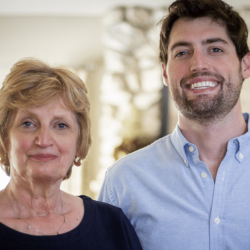
This is not the first Home Care agency for Pat, she was the Director of nursing for Kimberly Nurses in 1980 and after the tragic passing of the companies president she opened and co-founded American Nursing Resources Home Health Agency. Pat opened and passed Medicare certification for ANRHHA Clayton and Washington, MO offices.
For Zachary, the name “Pear Tree” is a tribute to his beloved late friend; Wade Abbadessa. Wade worked at his family’s famous restaurant “The Pear Tree” in Macon, until his tragic death in September 2014. Wade lost his battle with a rare form of bone cancer at the young age of 26. His legacy will live on through our company.
- In-Home Care vs. Assisted Living: Costs, Care and How to Choose - October 12, 2026
- What In-Home Care Costs and What Drives the Price - October 12, 2026
- Why Getting In and Out of the Shower Can Become Harder with Age - October 7, 2026
