

Why In-Home Care Costs Vary So Much
There is no single hourly number for in-home care, and that surprises many families. Care is billed by structure, either hourly, overnight, or around the clock, and it scales with how much help your loved one needs. Nobody sells it as a flat package.
That is why the question of how much in home care costs gets a different answer from every provider you call. The number that reaches you depends on the hours, the schedule, and the kind of help needed in the room.
What In-Home Care Costs in the St. Louis Area Right Now
Start with the national picture. The median hourly rate for a non-medical home caregiver reached $35 an hour in 2025, up 3% from $34 an hour in 2024. At that rate, 44 hours of care a week for a full year comes to $80,080.
Missouri runs a little lower. The state's median is $33 an hour, which works out to $6,292 a month and $75,504 a year. Missouri ranks 36th most expensive among the 51 states and districts surveyed.
Those monthly and annual totals assume the same 44 hours a week. They show what in-home care costs per month at a steady, near full-time schedule. A family that needs fewer hours will see a smaller monthly total, and a family that needs more will see a larger one.
These figures describe the cost of in home care for seniors who need non-medical help, such as companionship, meals, errands, and hands-on personal care. Skilled nursing at home sits in a separate category and prices much higher. Missouri's median for a private-duty nurse is $95 an hour.
Specialized care usually prices above the baseline rate. Dementia and Alzheimer's support is the clearest example. It calls for caregivers with more experience and training, and that experience carries a higher hourly rate.
Think of the Missouri median as a midpoint. A quote from any one provider in St. Louis County, St. Charles County, or the communities around them can land above or below it. The sections below explain why.
Hourly, Overnight, and 24-Hour Care Are Billed Differently
Most of the confusion about price comes from the billing structure. Each one counts time in a different way.
Hourly care. You pay for each hour a caregiver is in the home. This suits a morning routine, a few afternoons a week, or help with errands. Most providers set a shift minimum, so a single hour of help may be billed as a longer visit. When families ask what private home care costs per hour, the most useful answer includes both the hourly rate and the shortest visit a provider will schedule.
Overnight care. This covers the hours when your loved one sleeps but still needs someone nearby, perhaps for safe trips to the bathroom or for reassurance during a confused moment. Providers often bill it as a flat or near-flat overnight rate, so the total for the night is easy to predict.
24-hour care. This is billed as a day rate. Many families picture one caregiver on duty all day and all night. In practice, 24-hour care uses several caregivers who rotate in shifts, so someone is awake and alert at every hour. That staffing is what the day rate pays for.
So how much does 24 hour home care cost? Per day, it costs meaningfully more than a single eight-hour visit. Per hour, it usually costs less than stacking three separate hourly visits back to back. That is why agencies price it as its own tier.
Live-in care is built differently. A live-in caregiver lives in the home and sleeps at night, which suits a person who can rest through the night without help. Pear Tree's page on around-the-clock and live-in care describes both options and who each one fits. When you review a quote, ask which of the two it describes.
What Raises or Lowers the Price
Four levers move the price of care more than any others. Here is how each one works.
- Hours needed per week. More hours raise the monthly total. A longer block of hours can lower the cost per hour, since a caregiver makes one trip to the home for a longer visit.
- Level of personal care. Companionship-only help, such as conversation, meals, and errands, sits toward the lower end. Hands-on help with bathing, dressing, mobility, and toileting asks more skill and physical effort from a caregiver, so it raises the rate. Medication reminders fall in between.
- Overnight and weekend coverage. Providers may price evenings, weekends, and holidays differently from a weekday daytime shift. Overnight shifts call for a caregiver who stays alert while the household sleeps.
- Dementia-specific supervision. Memory loss brings a need for closer watching, calm redirection, and a steady routine. Caregivers trained for that work usually come at a higher rate. A person who wanders or wakes during the night may need overnight coverage as well.
Personal care needs are one of the biggest single swing factors. A person who needs a steady arm on the stairs and help into the shower requires a different caregiver and a different plan than a person who wants company at lunch. Pear Tree's page on help with bathing, dressing, mobility, and toileting lists the tasks caregivers handle, which gives you the right words to use when you describe your situation to any provider.
Because the cost of in home care for seniors shifts with every one of these levers, two neighbors with the same number of hours can receive different quotes.
Why an Agency Rate Differs From Hiring Someone Privately
Families usually weigh two paths. Each one changes who carries which responsibilities.
The first path is a licensed agency. The agency's hourly rate has caregiver vetting, supervision, backup coverage, and liability insurance built into it. When a caregiver is sick, the agency sends someone else. At Pear Tree, caregivers complete background checks, training, and certifications before they work with a family.
The second path is hiring an independent caregiver directly. The quoted hourly rate is usually lower. The family becomes the legal employer, and that brings paperwork and cost that the hourly rate does not show.
Here is the concrete part. Once you pay a household employee $3,000 or more in cash wages in a year, you must withhold and pay Social Security and Medicare taxes, which total 15.3% of cash wages combined. You may owe federal unemployment tax as well. You also take on the filing that goes with those taxes.
The family also owns the backup plan. If a privately hired caregiver is sick or unavailable, someone in the family covers the gap or finds a replacement on short notice.
Many families make private hiring work, especially when they have the time to manage payroll and a dependable plan for gaps. No source publishes a verified percentage difference between agency and private rates in the St. Louis area. The fair comparison adds the tax, paperwork, and backup responsibilities to the private rate before setting it beside an agency's.
How to Compare Quotes Fairly
A few questions make quotes easy to line up side by side. Bring this list to your first call.
- Compare on the same basis. Set an hourly rate beside another hourly rate and a package beside another package. A day rate and an hourly rate describe different things.
- Ask what is included. Find out whether supervision, backup caregiver coverage, and care plan updates are part of the rate or billed separately.
- Ask about minimum shift length. A short daily visit can cost more per hour than a longer one, because the minimum applies to every visit. Providers set their own minimums, so this is one to ask each of them.
- Ask about schedule changes in the rate. Confirm whether the quoted rate moves for weekends, holidays, or dementia-level care.
- Ask for the weekly and monthly total. A written total for the schedule you described lets you compare providers without doing the math yourself.
Give each provider the same description of your loved one's needs, including hours, personal care tasks, and any memory concerns. Quotes built on the same facts are the ones you can compare.
How Families Typically Pay for Care
Private pay is the most common and most straightforward way families cover in-home care, and Pear Tree accepts private pay. Some families also use long-term care insurance benefits or veterans' assistance programs.
Medicare's role in paying for home care is narrower than many families expect, since it covers certain skilled, doctor-ordered home health services for homebound patients, which are separate from the non-medical help described here.
Getting a Clear Quote from Pear Tree Home Care
Every family's number depends on hours, level of care, and schedule, so the fastest route to a real answer is a conversation about your situation.
Pear Tree's senior home care services include companion care, personal care, respite care, Alzheimer's and dementia care, 24-hour care, part-time care, full-time care, and hourly care. The full list of Pear Tree services shows each one in more detail. Pear Tree serves families in St. Louis, Clayton, Chesterfield, Kirkwood, and communities across St. Louis County, St. Charles County, and the surrounding area.
Contact Us to talk through your loved one's needs and get a clear quote.
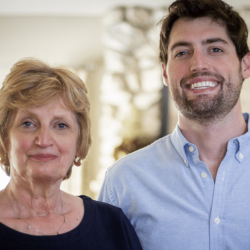
At Pear Tree we’re innovators. Our goal, to create a family of caregivers looking to provide a one of a kind experience to our clientele.
In 2016, our founders noticed a key problem in home care industry that everyone seemed to be ignoring.
It’s too systematic. Home care isn’t one size fits all. Just like people aren’t one size fits all.
That’s where Pear Tree comes in.
We yearn for you to have the best possible care for your loved ones and the peace of mind that comes with knowing they aren’t only in good hands. They’re in great hands. Because, in the end, that’s what we’d want for our family.
It’s proven. When the home care experience is immersive and personalized, you’re going to produce better success rates with healthier family members.
Please, join us in our journey of revolutionizing the home care industry and creating lasting relationships along the way.
This is not the first Home Care agency for Pat, she was the Director of nursing for Kimberly Nurses in 1980 and after the tragic passing of the companies president she opened and co-founded American Nursing Resources Home Health Agency. Pat opened and passed Medicare certification for ANRHHA Clayton and Washington, MO offices.
For Zachary, the name “Pear Tree” is a tribute to his beloved late friend; Wade Abbadessa. Wade worked at his family’s famous restaurant “The Pear Tree” in Macon, until his tragic death in September 2014. Wade lost his battle with a rare form of bone cancer at the young age of 26. His legacy will live on through our company.
- In-Home Care vs. Assisted Living: Costs, Care and How to Choose - October 12, 2026
- What In-Home Care Costs and What Drives the Price - October 12, 2026
- Why Getting In and Out of the Shower Can Become Harder with Age - October 7, 2026
