
Food safety is always a priority, but achieving that goal becomes more difficult with age, which is where senior home care comes into play. In addition to helping with daily tasks, trained caregivers offer much-needed support when it comes to keeping older adults safe from foodborne illnesses and eating well.
Understanding the Risks
When it comes to food safety, seniors are more likely to be impacted than younger people, as their immune system isn’t as strong as it used to be. This makes it harder to fight off harmful bacteria like Salmonella, Listeria, and E. coli. Ultimately, what might be a minor annoyance for a younger person could spell serious trouble, even hospitalization, for an older adult.
Memory lapses, vision impairments, and mobility issues can also make it difficult for seniors to stick to food safety guidelines. For instance, they might forget when they put things in the fridge, have trouble reading the dates on packages, or find it hard to keep their food prep areas clean.
How Senior Home Care Helps
Professional caregivers offer essential assistance in seniors’ kitchens in several ways. First, they monitor the temperatures in the refrigerator and freezer, ensuring that food remains at safe levels. This prevents the bacterial growth that happens when temperatures climb too high. It’s a simple task, but one that often gets missed when seniors are on their own.
Second, senior home care providers also take a methodical approach to food storage. They make sure that leftovers are labeled with the date, that the fridge is organized to avoid cross-contamination, and that they check pantry items for expiration dates on a regular basis. This careful organization helps ensure seniors don’t accidentally eat spoiled or unsafe food.
Finally, when cooking, senior home care professionals adhere to stringent hygiene protocols. They wash their hands thoroughly, clean surfaces before and after preparing food, and use separate cutting boards for raw meats and fresh produce. These practices greatly reduce the chances of cross-contamination, which could potentially make seniors ill.
Education and Empowerment
In addition to providing practical assistance, caregivers offer education about food safety protocols. This might include reminding seniors of the need for refrigeration for certain food items, modeling appropriate hand hygiene, or advising on the disposal of leftovers after a designated period. This support gives seniors the knowledge they need to make confident decisions when preparing their own snacks or simple meals.
Additionally, caregivers help seniors recognize foods that present elevated health risks. For instance, older adults are advised to avoid unpasteurized dairy products, raw or undercooked eggs, undercooked meats, and raw sprouts. Senior home care providers can direct seniors toward safer alternatives that still deliver essential nutrition and culinary satisfaction.
Supporting Nutritional Goals
Food safety and nutrition are closely linked. When seniors are sure their meals are safe, they’re more likely to eat regularly and get the nutrients they need. Senior home care aides can then prepare fresh, safe meals that meet dietary needs, eliminating the need to keep questionable leftovers or skip meals because of worries about food safety.
At the end of the day, senior home care is essential when it comes to food safety, ensuring that older adults are able to enjoy nutritious meals safely in their own homes.
If you or an aging loved one is considering Senior Home Care in St. Charles, MO, please contact the caring staff at Pear Tree Home Care today! (314) 942-9411
Pear Tree Home Care Provides Senior Home Care Services in St. Louis, Ladue, Chesterfield, Town and Country, Clayton, Des Peres, St. Charles, Wildwood, Brentwood, Maryland Heights, Lake St. Louis, O’Fallon, Kirkwood, Webster Groves, Arnold, Oakville, Mehlville, Creve Coeur, St. Louis City, St. Louis County, St. Charles County, Franklin County, Warren County, Jefferson County, and surrounding areas.
Sources:
- https://www.foodsafety.gov/blog/importance-food-safety-older-adults
- https://www.cdc.gov/food-safety/foods/adults-65-older.html
- https://www.foodsafety.gov/people-at-risk/older-adults
- https://www.waldenu.edu/online-masters-programs/ms-in-health-education-and-promotion/resource/what-older-adults-should-know-about-food-safety
At Pear Tree we’re innovators. Our goal, to create a family of caregivers looking to provide a one of a kind experience to our clientele.
In 2016, our founders noticed a key problem in home care industry that everyone seemed to be ignoring.
It’s too systematic. Home care isn’t one size fits all. Just like people aren’t one size fits all.
That’s where Pear Tree comes in.
We yearn for you to have the best possible care for your loved ones and the peace of mind that comes with knowing they aren’t only in good hands. They’re in great hands. Because, in the end, that’s what we’d want for our family.
It’s proven. When the home care experience is immersive and personalized, you’re going to produce better success rates with healthier family members.
Please, join us in our journey of revolutionizing the home care industry and creating lasting relationships along the way.
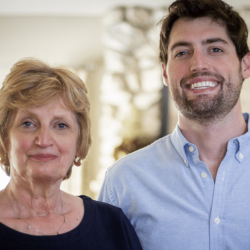
This is not the first Home Care agency for Pat, she was the Director of nursing for Kimberly Nurses in 1980 and after the tragic passing of the companies president she opened and co-founded American Nursing Resources Home Health Agency. Pat opened and passed Medicare certification for ANRHHA Clayton and Washington, MO offices.
For Zachary, the name “Pear Tree” is a tribute to his beloved late friend; Wade Abbadessa. Wade worked at his family’s famous restaurant “The Pear Tree” in Macon, until his tragic death in September 2014. Wade lost his battle with a rare form of bone cancer at the young age of 26. His legacy will live on through our company.
- In-Home Care vs. Assisted Living: Costs, Care and How to Choose - October 12, 2026
- What In-Home Care Costs and What Drives the Price - October 12, 2026
- Why Getting In and Out of the Shower Can Become Harder with Age - October 7, 2026