

Your parent may still shower independently, so it can be surprising when they suddenly mention that getting into the tub feels difficult or they start putting off showers altogether. Often, the problem isn’t bathing itself. It’s getting safely over the side of the tub, turning around in a small space, standing on a wet surface, and getting back out again. Personal care at home can provide hands-on assistance with bathing when these physical steps become harder for an older adult to manage alone.
For an adult child, recognizing the difference matters. A parent who showers less frequently may not be neglecting personal hygiene. They may simply be worried about a part of the process they no longer feel confident doing by themselves.
Why a Familiar Shower Can Suddenly Feel Difficult
Think about what happens when you step into a traditional bathtub-shower combination. You balance on one leg while lifting the other over the tub wall. Then you shift your weight, find your footing, and bring the second leg over.
Most younger adults perform those movements without thinking about them.
For an older adult, they can require significant balance, leg strength, flexibility, and coordination. Even a walk-in shower can involve a threshold that needs to be stepped over.
Once inside, there are more movements to manage. Your parent has to turn, reach for soap and shampoo, wash different parts of the body, rinse, and perhaps bend toward their feet. Water and soap make surfaces slippery, and closing the eyes to rinse shampoo can temporarily remove an important source of balance.
Getting out requires another series of movements at exactly the point when your parent may already be tired.
Changes May Be Easy for Families to Miss
If you don’t live with your parent, you probably don’t see their bathing routine. That makes shower difficulties particularly easy to hide.
Mom may tell you everything is fine because she doesn’t want you worrying. Dad may simply start showering less often without explaining why. Some seniors adapt by taking very quick showers, avoiding washing their hair, or relying more frequently on washing up at the sink.
You might notice:
- Your parent repeatedly postpones showers or baths
- Towels and bathing supplies don’t appear to be used as frequently
- Mom says she feels tired after showering
- Dad mentions feeling unsteady when stepping over the tub
- Your parent has difficulty reaching certain areas while bathing
- Hair washing or other parts of the routine are being skipped
- Your parent seems anxious about bathing when home alone
These signs don’t automatically mean your parent can no longer bathe independently. They do suggest it’s worth having a respectful conversation about which part of the routine has become difficult.
Talk About the Problem Without Taking Over
Bathing is intensely private. That doesn’t change simply because your parent is getting older.
If you’re concerned, avoid beginning the conversation with, “You can’t shower by yourself anymore.” Instead, ask what has become difficult.
You may discover that Dad is perfectly capable of washing himself but doesn’t feel secure stepping over the tub. Mom may be comfortable once she’s in the shower but have difficulty washing her hair because lifting her arms for that long is tiring.
Knowing the specific challenge makes it easier to understand how much assistance your parent actually needs.
The goal isn’t to take away tasks they can still manage. It’s to provide help with the parts that have become difficult or unsafe.
Bathing Assistance Can Still Respect Privacy
One reason older adults resist help with bathing is the assumption that assistance means someone else will take over the entire process.
It doesn’t have to.
Depending on a senior’s abilities and care needs, assistance might involve:
- Helping the senior get into and out of the bathing area
- Providing steadying assistance during parts of the routine
- Helping gather towels, clothing, and personal care supplies beforehand
- Assisting with washing areas that are difficult to reach
- Helping with hair washing when needed
- Providing assistance with drying off and getting dressed afterward
- Remaining nearby when fall risk makes bathing alone concerning
A senior can continue doing whatever portions of the routine they are comfortable and able to complete.
This approach can be especially important for someone who has always valued privacy. Receiving help doesn’t have to mean losing control over how they bathe, which products they use, or how they prefer to complete their routine.
The Challenge Doesn’t End When the Water Turns Off
Families often focus on falls inside the shower, but what happens immediately afterward deserves attention too.
A senior may be stepping onto a different surface while wet. They need to dry themselves, perhaps while standing or reaching. Then they may need to put on underwear, pants, socks, and other clothing—all activities that can require bending, reaching, balancing, and shifting weight.
If the shower itself was tiring, these tasks can feel even more demanding.
This is why bathing is better viewed as an entire personal care routine rather than one isolated activity. Your parent may manage one part successfully while needing assistance with another.
A Little Help Can Keep a Familiar Routine Going
For many seniors, the solution isn’t giving up showers or having an adult child supervise every bath. It may simply be having the right amount of help available.
With personal care at home, a caregiver can assist with bathing and other activities of daily living while allowing your parent to remain involved in their own care. That can include help with bathing, grooming, dressing, and moving safely through personal care routines.
For you, this can relieve an uncomfortable worry. You don’t have to wonder whether Mom is avoiding the shower because she’s afraid of falling or whether Dad is struggling to get out of the tub when no one is there.
More importantly, your parent can receive help with a private task in a way that respects the routines and preferences they’ve developed over a lifetime.
When the Shower Becomes a Clue
Difficulty getting into or out of the shower can sometimes be one of the first signs that an aging parent needs more help with personal care.
Look beyond the shower itself. Is your parent also struggling to stand long enough to groom at the sink? Is getting dressed after bathing exhausting? Are other parts of the morning routine taking considerably longer?
These aren’t reasons to immediately take over. They’re opportunities to understand where a little assistance could make daily life easier.
Personal care at home can provide that assistance while helping seniors continue familiar bathing and grooming routines in their own homes. Sometimes the difference between avoiding the shower and comfortably completing the routine isn’t a major loss of independence. It’s simply having someone there to help with the hardest part.
If you or an aging loved one are considering personal care at home in Creve Coeur, MO please contact the caring staff at Pear Tree Home Care today! (314) 942-9411
Pear Tree Home Care Provides Senior Home Care Services in St. Louis, Ladue, Chesterfield, Town and Country, Clayton, Des Peres, St. Charles, Wildwood, Brentwood, Maryland Heights, Lake St. Louis, O’Fallon, Kirkwood, Webster Groves, Arnold, Oakville, Mehlville, Creve Coeur, St. Louis City, St. Louis County, St. Charles County, Franklin County, Warren County, Jefferson County, and surrounding areas.
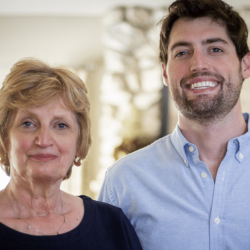
At Pear Tree we’re innovators. Our goal, to create a family of caregivers looking to provide a one of a kind experience to our clientele.
In 2016, our founders noticed a key problem in home care industry that everyone seemed to be ignoring.
It’s too systematic. Home care isn’t one size fits all. Just like people aren’t one size fits all.
That’s where Pear Tree comes in.
We yearn for you to have the best possible care for your loved ones and the peace of mind that comes with knowing they aren’t only in good hands. They’re in great hands. Because, in the end, that’s what we’d want for our family.
It’s proven. When the home care experience is immersive and personalized, you’re going to produce better success rates with healthier family members.
Please, join us in our journey of revolutionizing the home care industry and creating lasting relationships along the way.
This is not the first Home Care agency for Pat, she was the Director of nursing for Kimberly Nurses in 1980 and after the tragic passing of the companies president she opened and co-founded American Nursing Resources Home Health Agency. Pat opened and passed Medicare certification for ANRHHA Clayton and Washington, MO offices.
For Zachary, the name “Pear Tree” is a tribute to his beloved late friend; Wade Abbadessa. Wade worked at his family’s famous restaurant “The Pear Tree” in Macon, until his tragic death in September 2014. Wade lost his battle with a rare form of bone cancer at the young age of 26. His legacy will live on through our company.
- Why Getting In and Out of the Shower Can Become Harder with Age - October 7, 2026
- Preventing Hospitalizations for Seniors Aging in Place - September 16, 2026
- Elder Care Helps Seniors with Asthma Live at Home Safely - September 2, 2026
