

Sundowning is a pattern of confusion, restlessness and agitation that shows up in the late afternoon or evening in people living with dementia. If you are asking what stage of dementia is sundowning part of, the answer is that it can appear at any stage and is seen most often in the middle and later stages. This guide covers what it looks like, what sets it off, a daily routine that makes evenings easier, and a calm way to respond when an episode begins.
The Short Answer: What Stage Does Sundowning Start In?
Sundowning can appear at any stage of dementia. It is seen more often in the middle and later stages, as the brain changes behind dementia progress. Some people show a first hint of it earlier, and some people never do. Families usually spot it when a loved one who handles the morning well begins to unravel as the day winds down.
Episodes typically last a few hours around dusk and the evening, then ease as the night goes on. The pattern tends to return around the same time each day, which is how it earned its name.
Reported rates range from 1.6% to 66% of people with dementia, a wide spread that comes from studies defining sundowning in different ways. That range shows how widely recognized the pattern is. Sundowning is a known part of dementia, and there are steady, practical ways to make evenings easier.
The rest of this guide covers two separate jobs for families: a daily routine that helps prevent hard evenings, and a calm response for the moment one begins.
What Sundowning Looks Like
The signs build gradually as afternoon turns into evening. Sundowning dementia symptoms vary from person to person, and your loved one may show only a few of these:
- Growing confusion about time, place or familiar people as the light fades
- Agitation or irritability that was absent earlier in the day
- Restlessness, pacing or a need to keep moving
- Anxiety, fearfulness or tearfulness
- Suspicion of family members or caregivers, or worry that something is wrong
- Wanting to "go home" while sitting in their own home
- Difficulty settling down for the night, with trouble getting to bed or staying there
Some people also follow a caregiver from room to room or ask the same question again and again as evening deepens. A short note each day about when the signs begin and what was happening just before gives you a clear picture of your loved one's pattern. That picture guides the routine in the sections below and helps the doctor if you need to raise it there.
What Triggers It in the Evening
If you are wondering what causes sundowning in dementia, the answer is usually a mix of triggers that stack up through the day. Researchers have not pinned it on one source. These are the most common ones families see:
- Fatigue built up over the day. A brain working hard to make sense of the world has fewer reserves by evening, and too little rest or sleep adds to the load.
- Fading light and lengthening shadows. Dim rooms and moving shadows can look unfamiliar or frightening to someone whose brain struggles to interpret what the eyes see.
- Hunger and thirst. A late dinner or a skipped snack leaves a person uncomfortable and unable to say why.
- Overstimulation. Television, several conversations, visitors and kitchen noise around dinnertime can overwhelm a person with dementia.
- A disrupted routine or body clock. Everyone has an internal body clock, a natural rhythm that signals when to feel awake and when to wind down. Dementia can disturb that rhythm, and changes in routine, place or caregiver can disturb it further.
The National Institute on Aging also lists pain, depression or stress, constipation, loneliness, and being pushed to do a hard task among the causes of agitation and sundowning. Each trigger on the list points to a fix in the next section, whether that is light, meals, quiet or a steady routine.
Building an Evening Routine That Eases Sundowning
The most useful sundowning dementia tips for coping treat the day as one connected system. Morning light, movement, meals, noise and bedtime all feed into how the evening goes, so a small change at ten in the morning can calm the hour after dinner.
Start with light. Daily time outdoors or by a sunny window helps keep the body clock steady. A morning walk, breakfast beside a bright window or a little time in the garden gives the brain a clear signal that the day has begun. Later, switch on lamps and close the blinds or curtains before the sun starts to set, so shadows never get the chance to form. Warm, even light through the evening keeps familiar things looking familiar.
Movement and rest come next. Gentle activity earlier in the day, such as a walk, light household tasks or stretching, builds a natural tiredness by bedtime. A packed schedule works against this, so aim for a steady pace with quiet breaks. Keep naps short and early in the day, and skip alcohol and caffeine in the afternoon and evening. Afternoons also suit hands-on projects, and our post on creative activities that keep seniors with Alzheimer's engaged offers ideas for music, painting and gardening.
Meals shape the evening too. Serve dinner at the same time every day, and keep a small snack and a drink within reach in the late afternoon so hunger and thirst never build. A relaxed table with one or two people talking is easier to follow than a crowded one.
Then bring the volume down. As dusk nears, turn off the television or switch to soft, familiar music. Keep visitors to a small number, and move noisy tasks like vacuuming or running the dishwasher to another time of day.
Routine ties all of it together. The same order of waking, meals, activity and bedtime each day gives a person with dementia a pattern to lean on. Keep furniture, faces and steps familiar where you can, and bring in changes slowly. A short wind-down habit at night, such as a warm washcloth, a favorite blanket or a few minutes of music, tells the body the day is ending.
Small changes added one at a time are easier for the whole household to keep.
Responding Calmly When Agitation Starts
Even with a steady routine, some evenings still turn hard. Responding in the moment is a separate job from the daily habits above, and it calls for calm more than planning.
Begin with your own pace and voice. Slow down, lower your voice and relax your face. A person with dementia reads tone and body language long after the meaning of words fades, so a steady presence settles the room before any words do.
Let go of the urge to argue or correct. If your mother says she needs to get home to the children, telling her they are grown adds to her distress. Meet the feeling instead: "You are thinking about your kids. Tell me about them." Her worry is real to her, and being heard often eases it.
Next, look for the trigger. Ask yourself quietly whether she is hungry, thirsty, in pain, too warm or too cold, tired, or bothered by noise or a dim corner. Fixing the cause often ends an episode faster than anything you say, so turn on a lamp, offer a snack or lower the television.
Then redirect. Offer a familiar, simple task such as folding towels, sorting buttons, looking through a photo album, listening to a favorite song or taking a short walk around the house or yard. Phrase it as an invitation, "Would you help me with these?", so it never feels like an order.
Finish with gentle reassurance and touch. A hand on the shoulder or a hand held, if welcome, along with a calm phrase like "You are safe, and I am right here," can soothe a frightened person. If touch makes things worse, step back and keep your voice soft.
If agitation rises, give your loved one space, keep walking paths clear and take a slow breath yourself. Your calm sets the tone for the room.
When to Call the Doctor
Raise sundowning with your loved one's doctor if it becomes persistent or worsens, if it appears suddenly, or if agitation becomes hard to manage safely. A sudden change in behavior can point to a new health concern, and the doctor is the right person to look into it.
Sundowning has been associated with faster cognitive decline, which is one more reason to keep the doctor informed. Bring your notes on when episodes start, what came before them and what helped. The doctor is also the right person to ask whether any treatment fits your loved one's situation.
Support at Home During the Hardest Hours
Late afternoons and evenings can wear down even the most devoted family caregiver. Pear Tree Home Care's In-Home Alzheimer's & Dementia Care is provided by caregivers who are well-versed in Alzheimer's care, with a deep understanding of the disease's progression and of effective communication techniques. That skill set suits the patient, steady response sundowning asks for.
When the hardest hours stretch into the night, families can arrange around-the-clock supervision through 24-Hour Home Care, and overnight awake caregivers are part of our dementia care services. Respite Care Services give a primary family caregiver a planned break from the long stretch that sundowning creates.
If you would like to talk about what evenings look like in your home, you are welcome to reach out to the Pear Tree team anywhere in the St. Louis area.
Frequently Asked Questions About Sundowning
Can sundowning happen in the early stage of dementia?
Yes. Sundowning can happen at any stage of dementia, so mild evening restlessness or confusion early on is possible. It is seen more often in the middle and later stages. If new evening changes appear, mention them to your loved one's doctor.
How long does a sundowning episode last?
Episodes typically last a few hours around dusk and the evening, then ease as the night goes on. Keeping a note of start and end times shows you the pattern in your own home and helps you time the routine, such as lamps on and a snack ready, just ahead of it.
What can I do tonight if sundowning has already started?
Turn on the lamps and close the blinds, lower the noise and speak slowly in a soft voice. Offer a snack or a drink, then invite your loved one into a simple, familiar task such as folding towels or looking at photos. Skip any arguing about what is true, and meet the feeling behind the words.
Can a caregiver help with evenings at home?
Yes. Pear Tree Home Care offers In-Home Alzheimer's & Dementia Care with hourly, part-time, full-time and overnight awake caregiver options, so families can have help during the late afternoon, the evening or through the night. A conversation with our team is the place to start.
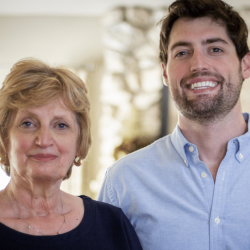
At Pear Tree we’re innovators. Our goal, to create a family of caregivers looking to provide a one of a kind experience to our clientele.
In 2016, our founders noticed a key problem in home care industry that everyone seemed to be ignoring.
It’s too systematic. Home care isn’t one size fits all. Just like people aren’t one size fits all.
That’s where Pear Tree comes in.
We yearn for you to have the best possible care for your loved ones and the peace of mind that comes with knowing they aren’t only in good hands. They’re in great hands. Because, in the end, that’s what we’d want for our family.
It’s proven. When the home care experience is immersive and personalized, you’re going to produce better success rates with healthier family members.
Please, join us in our journey of revolutionizing the home care industry and creating lasting relationships along the way.
This is not the first Home Care agency for Pat, she was the Director of nursing for Kimberly Nurses in 1980 and after the tragic passing of the companies president she opened and co-founded American Nursing Resources Home Health Agency. Pat opened and passed Medicare certification for ANRHHA Clayton and Washington, MO offices.
For Zachary, the name “Pear Tree” is a tribute to his beloved late friend; Wade Abbadessa. Wade worked at his family’s famous restaurant “The Pear Tree” in Macon, until his tragic death in September 2014. Wade lost his battle with a rare form of bone cancer at the young age of 26. His legacy will live on through our company.
- Sundowning and Dementia: What Stage It Appears In and How to Ease the Evenings - November 9, 2026
- Starting Conversations about In-Home Help This National Care at Home Month - November 5, 2026
- How Can Families Make Home Care Assistance More Appealing? - October 21, 2026
