

For seniors, juggling multiple medications can be a real challenge, particularly when they’re also trying to stick to a healthy lifestyle. Elder care providers are key in assisting older adults with both medication organization and understanding how their daily choices affect their health.
Creating Effective Medication Management Systems
There are several ways elder care providers can help seniors manage their medications effectively. Pill organizers, with compartments for each day, are indispensable. They help prevent missed doses and accidental overdoses. Providers can set up a weekly routine for filling these organizers, checking expiration dates, and making sure medications are stored correctly.
Caregivers might also introduce medication charts or calendars. These visual aids clearly outline each prescription, its intended use, dosage, and when it should be taken. In doing so, they give seniors a clear understanding of their medications and the schedule for taking them. For those with vision issues, large-print labels and color-coded systems can make it easier to identify what’s what.
Another key service that elder care providers can suggest is regular medication reviews with healthcare professionals. These reviews are important for spotting potential drug interactions, getting rid of prescriptions that aren’t needed, and making sure dosages are still right as a person’s health evolves.
Understanding Food and Medicine Interactions
Diet is a crucial factor in how well medications work, but many seniors aren’t aware of the important interactions between food and drugs. Elder care providers can help seniors understand the importance of food in relation to their medications. Knowing which drugs to take with meals and which to take on an empty stomach is key, as some foods and medications don’t mix well.
Caregivers can also help seniors create meal plans that align with their medication schedules. They might suggest foods that naturally support their health, like fiber for digestion or omega-3s for heart health. This knowledge allows seniors to make better food choices, ultimately improving their treatment results.
The Role of Sleep in Health Management
Getting enough good sleep is important for managing chronic conditions, but it’s often not given enough attention in care planning. Elder care professionals can help seniors understand how sleep affects their well-being and the effectiveness of their medications. For instance, insufficient sleep can worsen conditions such as diabetes, high blood pressure, and memory issues.
Additionally, caregivers support better sleep by encouraging smart sleep habits, such as regular bedtimes and reduced evening caffeine, and by helping seniors create restful sleeping environments. Finally, they can talk with seniors about how certain medications might disrupt sleep quality and encourage them to explore alternatives with healthcare professionals when needed.
Promoting Suitable Activity Levels
Exercise acts as a form of medicine, offering benefits ranging from heart health to mood improvement. Elder care providers assist seniors in identifying suitable exercises that correspond with their physical capabilities and existing health conditions. Chair exercises, walks in the park, and water aerobics—even the mildest of movements—can make a real difference in blood pressure, blood sugar, and how freely joints move.
Last but not least, they can also assist seniors in setting achievable goals and keeping tabs on their progress, which can be a great source of encouragement and a way to stay on track.
By viewing medications, diet, sleep, and activity as parts of a larger puzzle, elder care providers can offer truly comprehensive support. This approach helps seniors not just manage their health issues but also understand them better, resulting in improved outcomes and a better quality of life.
If you or an aging loved one is considering Elder Care in Arnold, MO, please contact the caring staff at Pear Tree Home Care today! (314) 942-9411
Pear Tree Home Care Provides Senior Home Care Services in St. Louis, Ladue, Chesterfield, Town and Country, Clayton, Des Peres, St. Charles, Wildwood, Brentwood, Maryland Heights, Lake St. Louis, O’Fallon, Kirkwood, Webster Groves, Arnold, Oakville, Mehlville, Creve Coeur, St. Louis City, St. Louis County, St. Charles County, Franklin County, Warren County, Jefferson County, and surrounding areas.
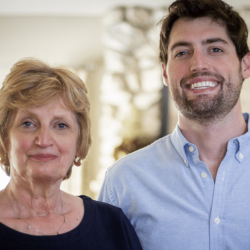
At Pear Tree we’re innovators. Our goal, to create a family of caregivers looking to provide a one of a kind experience to our clientele.
In 2016, our founders noticed a key problem in home care industry that everyone seemed to be ignoring.
It’s too systematic. Home care isn’t one size fits all. Just like people aren’t one size fits all.
That’s where Pear Tree comes in.
We yearn for you to have the best possible care for your loved ones and the peace of mind that comes with knowing they aren’t only in good hands. They’re in great hands. Because, in the end, that’s what we’d want for our family.
It’s proven. When the home care experience is immersive and personalized, you’re going to produce better success rates with healthier family members.
Please, join us in our journey of revolutionizing the home care industry and creating lasting relationships along the way.
This is not the first Home Care agency for Pat, she was the Director of nursing for Kimberly Nurses in 1980 and after the tragic passing of the companies president she opened and co-founded American Nursing Resources Home Health Agency. Pat opened and passed Medicare certification for ANRHHA Clayton and Washington, MO offices.
For Zachary, the name “Pear Tree” is a tribute to his beloved late friend; Wade Abbadessa. Wade worked at his family’s famous restaurant “The Pear Tree” in Macon, until his tragic death in September 2014. Wade lost his battle with a rare form of bone cancer at the young age of 26. His legacy will live on through our company.
- In-Home Care vs. Assisted Living: Costs, Care and How to Choose - October 12, 2026
- What In-Home Care Costs and What Drives the Price - October 12, 2026
- Why Getting In and Out of the Shower Can Become Harder with Age - October 7, 2026