

Family caregivers often put their own needs last on the list, and that is a great recipe for stress and burnout. Recognizing what is happening well before things get to the burnout stage is so important, but it can be tough to do in the middle of caregiving. Taking time away and letting respite care providers be the ones in charge for a while makes a huge difference.
It also helps family caregivers learn to recognize the signs that they need time away.
Why Is Caregiver Stress So Common?
Family caregivers often handle so much, from daily care tasks and household responsibilities to medical appointments and more. That means they experience a lot of pressure to be available whenever the person they’re caring for needs them, even if they have their own needs.
Many caregivers worry that taking time away or asking for help is a sign that they’re failing. But none of that is true.
Emotional Indicators
One of the earliest signs of caregiver stress can be persistent anxiety. Other emotional signs could include feeling overwhelmed, irritated, or feeling frustrated and helpless. Family caregivers might also feel like they just don’t enjoy anything about the activities they used to enjoy.
These emotions are common, but they shouldn’t be ignored.
Physical Signs
Stress does have physical impacts on family caregivers. They might start to notice that they’re constantly exhausted, even if they are sleeping a lot. They could also experience more pain than usual, often in the form of headaches or muscle aches.
As stress builds up even more, family caregivers might find that they’re not eating well or starting to get sick more often. It’s much more difficult to take care of someone else when family caregivers are physically run down.
Behavioral and Lifestyle Changes
Caregiver stress can lead to behavioral changes that family caregivers might initially have trouble recognizing. They might withdraw from social activities, for instance, or talk to friends and other family members less often. They might start to lean on coping mechanisms more frequently, like increasing their caffeine intake, just to get through busy days.
These changes often happen slowly, making them harder to spot. Occasionally, tracking routines and habits can help family caregivers spot these changes.
How Respite Care Helps Prevent Burnout
Respite care providers can step in to offer temporary relief to family caregivers by being there with the aging family member. Family caregivers can then step back, take time away, and take care of their own needs without worrying.
Respite care providers continue to provide the help that seniors need, and when family caregivers come back, they can do so with a clear conscience and a refreshed spirit.
Taking a break isn’t a sign of failure. Respite care allows family caregivers to take the best possible care of themselves while ensuring that the seniors they love have someone there with them. Over time, regular respite care can reduce stress and keep burnout from becoming a problem.
If you or an aging loved one is considering Respite Care in Des Peres, MO, please contact the caring staff at Pear Tree Home Care today! (314) 942-9411
Pear Tree Home Care Provides Senior Home Care Services in St. Louis, Ladue, Chesterfield, Town and Country, Clayton, Des Peres, St. Charles, Wildwood, Brentwood, Maryland Heights, Lake St. Louis, O’Fallon, Kirkwood, Webster Groves, Arnold, Oakville, Mehlville, Creve Coeur, St. Louis City, St. Louis County, St. Charles County, Franklin County, Warren County, Jefferson County, and surrounding areas.
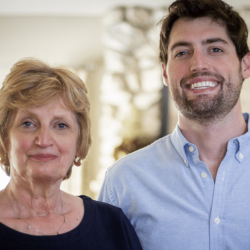
At Pear Tree we’re innovators. Our goal, to create a family of caregivers looking to provide a one of a kind experience to our clientele.
In 2016, our founders noticed a key problem in home care industry that everyone seemed to be ignoring.
It’s too systematic. Home care isn’t one size fits all. Just like people aren’t one size fits all.
That’s where Pear Tree comes in.
We yearn for you to have the best possible care for your loved ones and the peace of mind that comes with knowing they aren’t only in good hands. They’re in great hands. Because, in the end, that’s what we’d want for our family.
It’s proven. When the home care experience is immersive and personalized, you’re going to produce better success rates with healthier family members.
Please, join us in our journey of revolutionizing the home care industry and creating lasting relationships along the way.
This is not the first Home Care agency for Pat, she was the Director of nursing for Kimberly Nurses in 1980 and after the tragic passing of the companies president she opened and co-founded American Nursing Resources Home Health Agency. Pat opened and passed Medicare certification for ANRHHA Clayton and Washington, MO offices.
For Zachary, the name “Pear Tree” is a tribute to his beloved late friend; Wade Abbadessa. Wade worked at his family’s famous restaurant “The Pear Tree” in Macon, until his tragic death in September 2014. Wade lost his battle with a rare form of bone cancer at the young age of 26. His legacy will live on through our company.
- In-Home Care vs. Assisted Living: Costs, Care and How to Choose - October 12, 2026
- What In-Home Care Costs and What Drives the Price - October 12, 2026
- Why Getting In and Out of the Shower Can Become Harder with Age - October 7, 2026