

Caring for a loved one with Alzheimer’s is a journey that affects the entire family. As the condition progresses, responsibilities often increase, and the emotional toll can become just as significant as the physical demands. In-home Alzheimer’s care offers a balanced solution, providing professional support that benefits both the individual living with the condition and the family members who care about them.
By working together, families and caregivers can create a stable, supportive environment that promotes comfort, dignity, and peace of mind.
Supporting Seniors in a Familiar Environment
For individuals with Alzheimer’s, familiarity is essential. Remaining at home allows them to stay in an environment filled with recognizable routines, objects, and spaces, all of which help reduce confusion and anxiety.
Professional caregivers play a key role in maintaining this sense of stability. They help reinforce daily routines, provide gentle guidance, and ensure that the home remains a safe and supportive place. This consistency allows seniors to feel more secure, even as memory and cognitive changes progress.
By supporting individuals where they are most comfortable, in-home Alzheimer’s care helps preserve a sense of identity and independence for as long as possible.
Meeting Changing Care Needs Over Time
Alzheimer’s is a progressive condition, meaning care needs evolve. In the early stages, individuals may only need occasional reminders or light assistance. As the disease advances, more hands-on support becomes necessary.
In-home Alzheimer’s care adapts to these changes, ensuring that care remains appropriate at every stage. This may include assistance with daily activities, mobility support, or increased supervision to ensure safety.
This flexibility allows families to adjust care without the need for sudden or disruptive transitions, helping maintain continuity and comfort.
Reducing Stress for Family Caregivers
Family members often take on a significant role in caregiving, but the demands can quickly become overwhelming. Managing daily tasks, monitoring health, and addressing behavioral changes can lead to physical exhaustion and emotional strain.
Professional caregivers help ease this burden by sharing responsibilities. This support allows family members to step back from constant caregiving duties and focus on maintaining their own well-being.
Relief from daily demands helps prevent burnout and enables families to continue providing meaningful support over the long term.
Strengthening the Relationship Between Seniors and Families
When family members are responsible for every aspect of care, it can sometimes shift the dynamic of the relationship. Conversations may become task-focused, and time together may feel more like work than connection.
With professional support in place, family members can return to their role as loved ones rather than primary caregivers. This shift allows for more meaningful interactions, whether through conversation, shared activities, or simply spending time together.
Preserving this emotional connection is an important part of maintaining quality of life for both seniors and their families.
Providing Consistent Daily Support
Consistency is key to successful in-home Alzheimer’s care. Predictable routines and familiar faces help reduce confusion and create a sense of security.
Caregivers help maintain this consistency by supporting daily activities such as:
- Personal hygiene and dressing
- Meal preparation and nutrition
- Medication reminders
- Structured daily routines
This reliable support ensures that important needs are met while minimizing disruptions to the individual’s routine.
Enhancing Safety at Home
Safety concerns often increase as Alzheimer’s progresses. Issues such as wandering, falls, and difficulty recognizing hazards can pose serious risks.
Professional caregivers are trained to identify and address these risks. They can implement safety measures, provide supervision, and assist with mobility to prevent accidents.
Their presence allows families to feel more confident that their loved one is safe, even during times when they cannot be there themselves.
Improving Communication and Understanding
Communication can become more challenging as Alzheimer’s advances. Individuals may struggle to find words, follow conversations, or express their needs clearly.
Caregivers experienced in in-home Alzheimer’s care use specialized communication techniques to improve understanding and reduce frustration. They may use simple language, nonverbal cues, and a calm approach to help individuals feel heard and supported.
By sharing these strategies with family members, caregivers help create more positive and effective interactions at home.
Supporting Emotional Well-Being
Alzheimer’s affects more than memory—it also impacts emotions and behavior. Individuals may experience anxiety, confusion, or mood changes, which can be difficult for families to manage alone.
Caregivers provide a steady, reassuring presence, helping to calm agitation and create a more peaceful environment. Their training allows them to respond to emotional changes with patience and understanding.
This emotional support benefits not only the individual but also the family, reducing stress and creating a more harmonious home environment.
Offering Flexible and Personalized Care
Every individual’s experience with Alzheimer’s is unique, and care should reflect that. In-home Alzheimer’s care and support are tailored to meet specific needs, preferences, and routines.
Care plans can be adjusted over time, whether that means increasing hours of support or focusing on different aspects of care. This flexibility ensures that both seniors and families receive the level of assistance that works best for them.
Personalized care also helps build trust, as caregivers become familiar with the individual’s habits and preferences.
Encouraging Meaningful Daily Engagement
Even as Alzheimer’s progresses, individuals can still enjoy meaningful activities. Caregivers help facilitate these experiences by engaging seniors in ways appropriate to their abilities.
This might include listening to music, looking through photo albums, or participating in simple tasks around the home. These activities provide a sense of purpose and help maintain emotional well-being.
Family members can join in these moments, creating opportunities for connection and shared enjoyment.
Creating a Balanced Care Experience
One of the greatest benefits of in-home Alzheimer’s care is the balance it creates. Professional caregivers provide the structure and expertise needed for daily support, while family members continue to offer emotional connection and familiarity.
This partnership ensures that no one is carrying the full weight of care alone. Instead, responsibilities are shared in a way that supports both the individual and the family.
Moving Forward with Confidence
Caring for a loved one with Alzheimer’s is a complex and deeply personal experience, but it doesn’t have to be faced alone. With the right support, families can create an environment that promotes comfort, safety, and connection.
In-home Alzheimer’s care provides a foundation of reliable, compassionate assistance that evolves with changing needs. By working together, caregivers and families can ensure that seniors receive the care they deserve while preserving the relationships that matter most.
Through this collaborative approach, both seniors and their families can move forward with greater confidence, knowing they are supported every step of the way.
If you or an aging loved one is considering In-Home Alzheimer’s Care in Chesterfield, MO, please contact the caring staff at Pear Tree Home Care today! (314) 942-9411
Pear Tree Home Care Provides Senior Home Care Services in St. Louis, Ladue, Chesterfield, Town and Country, Clayton, Des Peres, St. Charles, Wildwood, Brentwood, Maryland Heights, Lake St. Louis, O’Fallon, Kirkwood, Webster Groves, Arnold, Oakville, Mehlville, Creve Coeur, St. Louis City, St. Louis County, St. Charles County, Franklin County, Warren County, Jefferson County, and surrounding areas.
At Pear Tree we’re innovators. Our goal, to create a family of caregivers looking to provide a one of a kind experience to our clientele.
In 2016, our founders noticed a key problem in home care industry that everyone seemed to be ignoring.
It’s too systematic. Home care isn’t one size fits all. Just like people aren’t one size fits all.
That’s where Pear Tree comes in.
We yearn for you to have the best possible care for your loved ones and the peace of mind that comes with knowing they aren’t only in good hands. They’re in great hands. Because, in the end, that’s what we’d want for our family.
It’s proven. When the home care experience is immersive and personalized, you’re going to produce better success rates with healthier family members.
Please, join us in our journey of revolutionizing the home care industry and creating lasting relationships along the way.
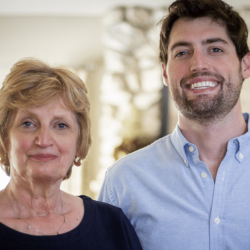
This is not the first Home Care agency for Pat, she was the Director of nursing for Kimberly Nurses in 1980 and after the tragic passing of the companies president she opened and co-founded American Nursing Resources Home Health Agency. Pat opened and passed Medicare certification for ANRHHA Clayton and Washington, MO offices.
For Zachary, the name “Pear Tree” is a tribute to his beloved late friend; Wade Abbadessa. Wade worked at his family’s famous restaurant “The Pear Tree” in Macon, until his tragic death in September 2014. Wade lost his battle with a rare form of bone cancer at the young age of 26. His legacy will live on through our company.
- In-Home Care vs. Assisted Living: Costs, Care and How to Choose - October 12, 2026
- What In-Home Care Costs and What Drives the Price - October 12, 2026
- Why Getting In and Out of the Shower Can Become Harder with Age - October 7, 2026
