

Many older adults live alone, especially after losing a spouse or watching their children move to other cities. For years, that independence works well. Then health changes, a fall, or growing forgetfulness make every quiet hour feel a little riskier.
Families start calling more often, checking in at night, and worrying about what might happen when no one is there. For a parent who lives alone and needs help at all hours, 24-hour home care makes it possible to keep the home they love while making sure they’re never truly on their own.
Why Living Alone Changes Things
A parent who lives with a spouse or family member has someone nearby when something goes wrong. A parent who lives alone does not. If your mother falls in the bathroom, gets confused about her medications, or feels unwell in the middle of the night, there may be no one to notice until the next phone call or visit.
Many seniors who live alone also become isolated, even if they have neighbors and family nearby. They may stop cooking full meals, skip outings, and go days without real conversation.
These changes often happen slowly, so families don’t always see them until a problem appears.
Help Is Always Within Reach
With continuous care, a trained caregiver is in the home day and night. That means help with bathing, dressing, meals, and medication reminders during the day, and an awake caregiver at night for bathroom trips, reassurance, and any unexpected needs.
If your parent feels dizzy, has trouble breathing, or simply wakes up frightened, someone is right there.
Families often describe the relief of knowing that a phone call that goes unanswered no longer means a frantic drive across town.
Instead of wondering whether Mom made it safely to bed or remembered to eat dinner, adult children can trust that 24-hour home care means someone is there to help with every part of the day, from the first cup of coffee to the last trip to the bathroom at night.
Companionship That Fills Quiet Hours
Loneliness can affect mood, appetite, sleep, and overall health. When a caregiver shares the home, the house feels less empty.
Meals become social again. Afternoons include conversation, a card game, or a walk around the block. Evenings bring company instead of silence.
Many seniors who live alone come to look forward to the familiar faces of their caregivers, who learn their stories, routines, and favorite topics.
Everyday Tasks Handled Safely
Living alone means doing every task alone, including the ones that have become risky.
Caregivers can take over or assist with:
-
Showering and personal care
-
Cooking balanced meals and cleaning up afterward
-
Laundry, changing bed linens, and light housekeeping
-
Carrying groceries and taking out the trash
-
Medication reminders at the right times
-
Keeping walkways clear and the home well lit
When these tasks are handled, your parent has more energy for the activities they enjoy and less risk of injury.
Independence on Their Own Terms
Some families worry that having caregivers in the home will make their parent feel less independent. In practice, the opposite is often true.
With support in place, seniors can keep making their own choices about when to wake up, what to eat, which programs to watch, and how to spend the day.
Caregivers fit into your parent’s routines rather than replacing them.
For many older adults, staying in their own home with help is what independence looks like at this stage of life.
Staying Connected to Family
When you live far away or work long hours, it’s hard to know how your parent is really doing.
Caregivers can keep you informed through regular updates, care notes, or quick phone calls. They can help your parent set up video chats with grandchildren, remember birthdays, and prepare for family visits.
That steady communication helps families feel close even when they can’t be there in person.
Noticing Changes Early
A parent who lives alone may not mention new symptoms or small changes.
Caregivers who spend every day with your parent can notice when they’re eating less, sleeping more, seem more confused, or are having trouble walking.
They share these observations with the family so concerns can be brought to your parent’s doctor sooner.
Starting Honest Conversations
Your parent may be proud of living independently and hesitant about having someone in the home.
Focus the conversation on what they want: to stay in their house, keep their routines, and avoid emergencies.
Offer them a say in choosing caregivers and setting schedules. Some families begin with overnight care, then expand as their parent becomes comfortable.
Planning Support That Fits
An in-home assessment can help you understand your parent’s needs, routines, and safety risks. A care manager can then recommend a schedule that keeps someone present around the clock.
With 24-hour home care, a parent who lives alone can continue to enjoy the comfort of home while the whole family gains confidence that they’re safe and cared for.
If you or an aging loved one are considering 24-hour home care in Mehlville, MO please contact the caring staff at Pear Tree Home Care today! (314) 942-9411
Pear Tree Home Care Provides Senior Home Care Services in St. Louis, Ladue, Chesterfield, Town and Country, Clayton, Des Peres, St. Charles, Wildwood, Brentwood, Maryland Heights, Lake St. Louis, O’Fallon, Kirkwood, Webster Groves, Arnold, Oakville, Mehlville, Creve Coeur, St. Louis City, St. Louis County, St. Charles County, Franklin County, Warren County, Jefferson County, and surrounding areas.
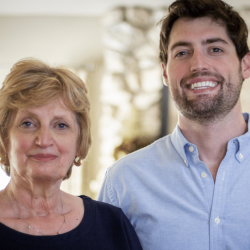
At Pear Tree we’re innovators. Our goal, to create a family of caregivers looking to provide a one of a kind experience to our clientele.
In 2016, our founders noticed a key problem in home care industry that everyone seemed to be ignoring.
It’s too systematic. Home care isn’t one size fits all. Just like people aren’t one size fits all.
That’s where Pear Tree comes in.
We yearn for you to have the best possible care for your loved ones and the peace of mind that comes with knowing they aren’t only in good hands. They’re in great hands. Because, in the end, that’s what we’d want for our family.
It’s proven. When the home care experience is immersive and personalized, you’re going to produce better success rates with healthier family members.
Please, join us in our journey of revolutionizing the home care industry and creating lasting relationships along the way.
This is not the first Home Care agency for Pat, she was the Director of nursing for Kimberly Nurses in 1980 and after the tragic passing of the companies president she opened and co-founded American Nursing Resources Home Health Agency. Pat opened and passed Medicare certification for ANRHHA Clayton and Washington, MO offices.
For Zachary, the name “Pear Tree” is a tribute to his beloved late friend; Wade Abbadessa. Wade worked at his family’s famous restaurant “The Pear Tree” in Macon, until his tragic death in September 2014. Wade lost his battle with a rare form of bone cancer at the young age of 26. His legacy will live on through our company.
- 24-Hour Home Care for Seniors Who Live Alone - November 19, 2026
- What Medicare Covers for In-Home Care, and What It Does Not - November 18, 2026
- Sundowning and Dementia: What Stage It Appears In and How to Ease the Evenings - November 9, 2026
