

Growing older often brings changes that affect a person’s ability to manage daily tasks independently. Activities that once seemed simple—buttoning a shirt, tying shoes, brushing hair, or selecting appropriate clothing—can become more challenging due to mobility limitations, arthritis, vision loss, cognitive changes, or other health conditions.
While these tasks may appear minor, they play an important role in maintaining dignity, confidence, and quality of life. Personal appearance is closely tied to self-esteem, and the ability to present oneself comfortably and appropriately contributes to a sense of independence.
This is one reason why personal care at home is so valuable for many seniors. Assistance with dressing and grooming helps older adults maintain their routines, preserve their sense of identity, and continue living comfortably in familiar surroundings.
Why Dressing Can Become Difficult with Age
Many physical changes associated with aging can make dressing more challenging than it once was.
Conditions such as arthritis may make it painful to grasp buttons, zippers, or snaps. Limited shoulder mobility can make reaching into sleeves difficult. Balance problems may create safety concerns when standing on one foot to put on pants or shoes.
Some seniors also experience weakness or fatigue that makes getting dressed a lengthy and exhausting task.
Cognitive conditions such as dementia can introduce additional challenges. An older adult may forget the proper order of clothing, struggle to choose weather-appropriate attire, or become overwhelmed by too many options.
These difficulties can lead to frustration and discourage seniors from engaging in activities they once enjoyed.
The Importance of Maintaining Personal Appearance
Personal appearance often influences how people feel about themselves. Looking clean, well-groomed, and appropriately dressed can boost confidence and encourage social interaction.
When seniors struggle with grooming or dressing, they may begin to withdraw from activities, avoid visitors, or feel embarrassed about their appearance.
Maintaining a consistent grooming routine can help support:
- Self-confidence
- Emotional well-being
- Social engagement
- Personal dignity
- Independence
- A positive outlook on daily life
For many older adults, preserving these aspects of daily living is just as important as managing physical health.
How Personal Care at Home Supports Dressing Assistance
One of the primary goals of personal care at home is helping seniors remain as independent as possible while providing support where needed.
Caregivers may assist with:
- Selecting clothing
- Putting on and removing garments
- Fastening buttons and zippers
- Applying compression stockings
- Choosing weather-appropriate outfits
- Organizing closets and clothing storage
- Assisting with shoes and footwear
Importantly, assistance is often tailored to the individual’s abilities. Many caregivers encourage seniors to complete the portions of the task they can manage independently while providing help only where necessary.
This approach promotes both safety and self-sufficiency.
Dressing Assistance Improves Safety
Improper footwear, loose clothing, and balance difficulties can increase the risk of falls and injuries.
Caregivers help seniors make safe clothing choices that support mobility and comfort. This may include selecting shoes with non-slip soles, ensuring clothing fits properly, and assisting with garments that are difficult to manage independently.
When dressing becomes physically demanding, seniors may rush or attempt unsafe movements that increase their risk of injury. Having assistance available reduces these risks while making daily routines less stressful.
Grooming Is About More Than Appearance
Grooming routines are often associated with looking presentable, but they also contribute to health and well-being.
Regular grooming may include:
- Hair brushing and styling
- Hair washing assistance
- Shaving
- Oral hygiene
- Denture care
- Nail cleaning and maintenance
- Skin moisturizing
These activities help seniors remain comfortable while supporting good hygiene practices.
For example, proper oral care can help reduce dental problems, while routine skin care may help prevent dryness, irritation, and discomfort.
When grooming routines become difficult to manage independently, assistance can ensure these important aspects of personal care continue consistently.
Preserving Personal Choice and Identity
Clothing often reflects an individual’s personality, preferences, and lifestyle. Seniors who require assistance with dressing should still have opportunities to make choices about their appearance whenever possible.
Respectful caregivers understand the importance of involving older adults in decisions regarding:
- Clothing selection
- Hairstyles
- Personal grooming preferences
- Jewelry and accessories
- Daily routines
Maintaining these choices helps preserve a sense of control and individuality.
Even when assistance is necessary, seniors can continue expressing themselves through the decisions they make about their appearance.
Supporting Seniors with Memory Challenges
For individuals living with dementia or other cognitive conditions, dressing and grooming may become confusing or overwhelming.
A person may:
- Wear inappropriate clothing for the weather
- Layer multiple outfits
- Forget to change clothes
- Struggle to complete grooming tasks
- Become frustrated by complicated clothing options
Caregivers can simplify routines and provide gentle guidance while helping seniors maintain their dignity.
By creating structured routines and offering encouragement, caregivers can reduce stress and make daily self-care activities more manageable.
The Emotional Benefits of Consistent Support
When dressing and grooming become difficult, many seniors experience feelings of frustration, embarrassment, or dependence.
Receiving compassionate assistance can relieve this stress and restore confidence.
Many older adults feel more comfortable participating in family gatherings, social events, appointments, and community activities when they know they look and feel their best.
This confidence often contributes to improved emotional well-being and greater engagement with others.
Helping Seniors Stay Independent at Home
One of the greatest advantages of personal care at home is that it allows seniors to receive support while remaining in a familiar environment.
Dressing and grooming assistance may seem like small tasks, but they can significantly affect a person’s ability to live independently.
When these daily activities become easier to manage, seniors are often better able to maintain routines, participate in activities, and continue enjoying their preferred lifestyle.
Families frequently find that even modest assistance with personal care can make a meaningful difference in overall quality of life.
Recognizing When Dressing and Grooming Assistance May Be Needed
Families may want to consider additional support if they notice a loved one:
- Wearing the same clothes repeatedly
- Struggling with buttons, zippers, or footwear
- Neglecting personal hygiene
- Appearing disheveled more frequently
- Avoiding social situations
- Expressing frustration about getting dressed
Early assistance can prevent challenges from becoming more serious and help seniors maintain their independence for longer.
Final Thoughts
Dressing and grooming are important parts of daily life that contribute to confidence, dignity, health, and independence. As aging-related challenges make these tasks more difficult, receiving assistance can help seniors continue their routines safely and comfortably.
Personal care at home provides practical support that allows older adults to maintain their appearance, preserve their individuality, and participate more fully in daily life. By helping seniors manage dressing and grooming tasks with dignity and respect, caregivers play a valuable role in supporting both physical and emotional well-being.
If you or an aging loved one are considering personal care at home care in Des Peres, MO please contact the caring staff at Pear Tree Home Care today! (314) 942-9411
Pear Tree Home Care Provides Senior Home Care Services in St. Louis, Ladue, Chesterfield, Town and Country, Clayton, Des Peres, St. Charles, Wildwood, Brentwood, Maryland Heights, Lake St. Louis, O’Fallon, Kirkwood, Webster Groves, Arnold, Oakville, Mehlville, Creve Coeur, St. Louis City, St. Louis County, St. Charles County, Franklin County, Warren County, Jefferson County, and surrounding areas.
At Pear Tree we’re innovators. Our goal, to create a family of caregivers looking to provide a one of a kind experience to our clientele.
In 2016, our founders noticed a key problem in home care industry that everyone seemed to be ignoring.
It’s too systematic. Home care isn’t one size fits all. Just like people aren’t one size fits all.
That’s where Pear Tree comes in.
We yearn for you to have the best possible care for your loved ones and the peace of mind that comes with knowing they aren’t only in good hands. They’re in great hands. Because, in the end, that’s what we’d want for our family.
It’s proven. When the home care experience is immersive and personalized, you’re going to produce better success rates with healthier family members.
Please, join us in our journey of revolutionizing the home care industry and creating lasting relationships along the way.
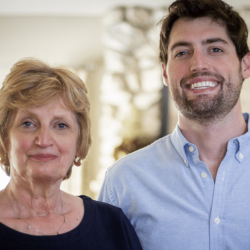
This is not the first Home Care agency for Pat, she was the Director of nursing for Kimberly Nurses in 1980 and after the tragic passing of the companies president she opened and co-founded American Nursing Resources Home Health Agency. Pat opened and passed Medicare certification for ANRHHA Clayton and Washington, MO offices.
For Zachary, the name “Pear Tree” is a tribute to his beloved late friend; Wade Abbadessa. Wade worked at his family’s famous restaurant “The Pear Tree” in Macon, until his tragic death in September 2014. Wade lost his battle with a rare form of bone cancer at the young age of 26. His legacy will live on through our company.
- How Creative Activities Support Seniors with Alzheimer’s Aging in Place - August 20, 2026
- Elder Care Helps Seniors With Asthma Live At Home Safely - August 4, 2026
- Companion Care At Home Keeps Seniors From Being Bored On Hot Summer Days - July 21, 2026
