

Alzheimer’s home care brings specialized support to seniors and their families, helping manage complications of the disease—trouble swallowing, dehydration, dental issues, agitation, medication management, and more. Adding a caregiver trained in Alzheimer’s home care to the support team can make daily life safer, more comfortable, and more dignified for seniors living with the disease, while reducing stress for family members.
Understanding the Complications of Alzheimer’s and How Trained Caregivers Help
A trained caregiver recognizes signs of trouble swallowing (dysphagia) early. They use evidence-based approaches—slower feeding pace, appropriate food textures, and safe positioning—to reduce the risk of choking and aspiration. Caregivers may also work closely with speech-language pathologists and the medical team to follow swallowing plans and monitor changes. This approach and timely communication help prevent hospital visits and make mealtime a more positive part of the day.
Some of the other complications that caregivers trained in Alzheimer’s home care assist with include the following:
Dehydration
Dehydration is common in seniors with Alzheimer’s because memory loss and reduced thirst awareness lead to less fluid intake. An Alzheimer’s-trained caregiver keeps drinks visible and accessible, offers fluids regularly and creatively (flavored water, soups, ice chips), and watches for subtle signs of dehydration such as dry mouth, fatigue, or dark urine. They also document how much the senior drinks and relay concerns to the family and the medical team.
Dental Issues
Dental health often declines when dementia progresses, as brushing may be forgotten or resisted, and oral pain may go unnoticed. Caregivers understand what techniques work best for seniors, such as establishing calming routines before dental visits. Additionally, they can communicate concerns about pain or dental decay to family and dental professionals.
Finally, they help seniors maintain oral hygiene, which lowers the risk of infections and improves comfort and nutrition.
Managing Behaviors
Beyond physical issues, caregivers are skilled at managing behaviors that complicate care. They use validation, redirection, and simplified communication to reduce agitation and resistance. Familiar routines, calming music, and a patient tone can turn difficult tasks—like bathing or getting ready for bed—into manageable moments for both the senior and the caregiver.
Medication Management
Medication management is another area where caregivers trained in Alzheimer’s home care add value. They ensure medications are taken as prescribed, watch for side effects, and keep accurate records to share with physicians. This reduces medication errors and helps clinicians make informed decisions about treatment.
Trained Caregivers Offer Family Support and Tailored Care
Perhaps most importantly, caregivers support families emotionally and practically. They educate loved ones about what to expect, teach safe techniques for daily care, and create time for family members to rest or handle personal matters. That shared responsibility keeps relationships strong and stops caregivers from getting burned out.
Additionally, trained Alzheimer’s home care providers become advocates for the senior, monitoring subtle changes, coordinating with health professionals, and adapting care plans as needs evolve. Their presence brings stability, kindness, and skill—traits that make health outcomes and quality of life better.
Trained caregivers also tailor exercise, mobility, and nutrition plans to support overall health, working with therapists and dietitians. Their thoughtful observations often spot subtle declines early, enabling prompt intervention and keeping families informed, prepared, and better able to plan next steps.
By introducing practical strategies such as safer feeding methods, hydration plans, oral care routines, behavior-support techniques, and careful medication management, caregivers trained in Alzheimer’s home care become a strong component of the support system for seniors aging in place.
If you or an aging loved one is considering Alzheimer’s Home Care in Lake St. Louis, MO, please contact the caring staff at Pear Tree Home Care today! (314) 942-9411
Pear Tree Home Care Provides Senior Home Care Services in St. Louis, Ladue, Chesterfield, Town and Country, Clayton, Des Peres, St. Charles, Wildwood, Brentwood, Maryland Heights, Lake St. Louis, O’Fallon, Kirkwood, Webster Groves, Arnold, Oakville, Mehlville, Creve Coeur, St. Louis City, St. Louis County, St. Charles County, Franklin County, Warren County, Jefferson County, and surrounding areas.
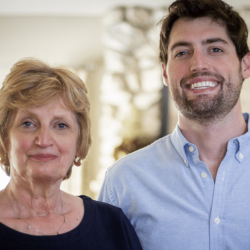
At Pear Tree we’re innovators. Our goal, to create a family of caregivers looking to provide a one of a kind experience to our clientele.
In 2016, our founders noticed a key problem in home care industry that everyone seemed to be ignoring.
It’s too systematic. Home care isn’t one size fits all. Just like people aren’t one size fits all.
That’s where Pear Tree comes in.
We yearn for you to have the best possible care for your loved ones and the peace of mind that comes with knowing they aren’t only in good hands. They’re in great hands. Because, in the end, that’s what we’d want for our family.
It’s proven. When the home care experience is immersive and personalized, you’re going to produce better success rates with healthier family members.
Please, join us in our journey of revolutionizing the home care industry and creating lasting relationships along the way.
This is not the first Home Care agency for Pat, she was the Director of nursing for Kimberly Nurses in 1980 and after the tragic passing of the companies president she opened and co-founded American Nursing Resources Home Health Agency. Pat opened and passed Medicare certification for ANRHHA Clayton and Washington, MO offices.
For Zachary, the name “Pear Tree” is a tribute to his beloved late friend; Wade Abbadessa. Wade worked at his family’s famous restaurant “The Pear Tree” in Macon, until his tragic death in September 2014. Wade lost his battle with a rare form of bone cancer at the young age of 26. His legacy will live on through our company.
- In-Home Care vs. Assisted Living: Costs, Care and How to Choose - October 12, 2026
- What In-Home Care Costs and What Drives the Price - October 12, 2026
- Why Getting In and Out of the Shower Can Become Harder with Age - October 7, 2026
